⏱ 6 min read
Combining a ketogenic diet with anti-inflammatory principles creates a powerful approach to wellness. This 7-day keto anti-inflammatory meal plan for beginners focuses on high-fat, low-carb foods known to reduce inflammation, such as fatty fish, leafy greens, and healthy oils. Experts recommend this dietary synergy for its potential to support metabolic health while addressing chronic inflammation, a root cause of many health conditions. The plan provides clear, simple recipes to help you start effectively.
Key Takeaways
- A keto anti-inflammatory diet combines low-carb, high-fat eating with foods that fight inflammation.
- Focus on whole foods like fatty fish, avocados, olive oil, and non-starchy vegetables.
- Proper meal planning is essential for success and helps avoid inflammatory processed foods.
- This 7-day plan is designed for beginners with simple, nutritious recipes.
- Staying hydrated and monitoring electrolytes is crucial when starting this dietary approach.
- Consulting a healthcare provider before starting any new diet is recommended.
What is a Keto Anti-Inflammatory Diet?
A keto anti-inflammatory diet merges the metabolic principles of ketosis with foods scientifically shown to reduce systemic inflammation. This approach emphasizes high-quality fats, moderate protein, and minimal carbohydrates from non-starchy vegetables while eliminating processed foods, sugars, and common inflammatory triggers like refined grains.
This dietary strategy targets two key health mechanisms simultaneously. The ketogenic component shifts your body’s primary fuel source from glucose to ketones, which may improve metabolic flexibility. The anti-inflammatory aspect focuses on nutrients that modulate the body’s inflammatory response.
Research shows that chronic inflammation contributes to numerous health conditions. By combining these approaches, you address both energy metabolism and inflammatory pathways. The standard approach involves consuming 70-75% of calories from fat, 20-25% from protein, and 5-10% from carbohydrates.
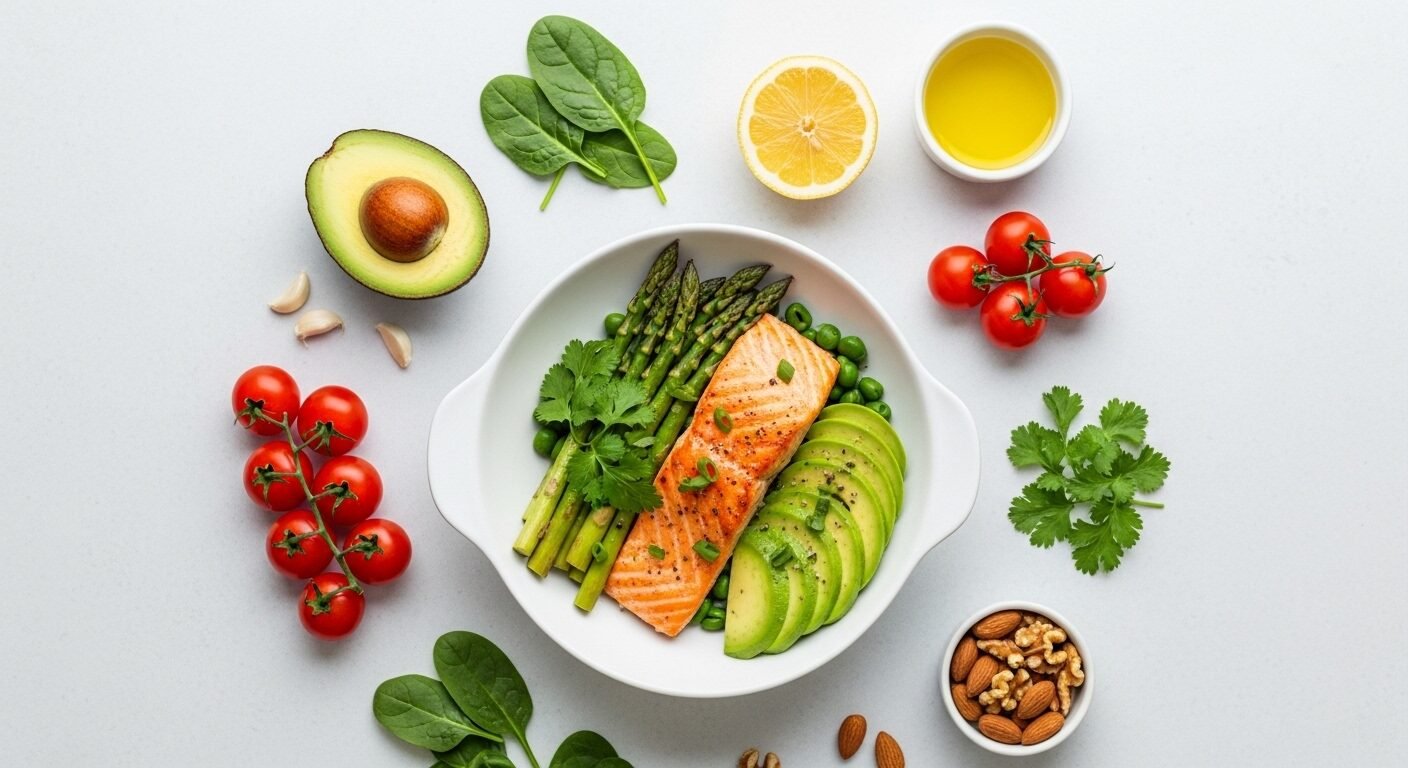
Key anti-inflammatory foods in this plan include wild-caught salmon, extra virgin olive oil, avocados, and leafy greens. These provide omega-3 fatty acids, antioxidants, and phytonutrients that support cellular health. According to industry data, individuals following similar protocols report improved energy and reduced joint discomfort.
How Do You Start This Diet Plan?
Begin by clearing your kitchen of inflammatory foods before introducing keto-friendly anti-inflammatory options. This preparation phase is crucial for long-term success and helps establish new eating patterns. Remove items containing refined sugars, processed vegetable oils, and refined grains.
Next, stock your pantry with essential ingredients. You’ll need healthy fats like avocado oil and coconut oil, quality proteins such as grass-fed meats, and low-carb vegetables including spinach and broccoli. Planning your first week of meals prevents decision fatigue and keeps you on track.
Many beginners find meal prepping on weekends helpful. Prepare base ingredients like cooked proteins, chopped vegetables, and homemade dressings. This makes assembling daily meals quick and ensures you always have compliant options available when hunger strikes.
Experts in the field recommend tracking your food intake initially using an app. This helps ensure you’re meeting your macronutrient targets for ketosis while consuming adequate anti-inflammatory nutrients. Stay hydrated and consider supplementing with electrolytes during the adaptation phase.
Step-by-Step Starting Guide
- Consult with your healthcare provider to ensure this diet is appropriate for your health status and goals.
- Remove all inflammatory foods from your kitchen, including sugars, processed snacks, and refined grains.
- Create a detailed shopping list based on the 7-day meal plan and purchase all necessary ingredients.
- Dedicate 2-3 hours for weekly meal preparation, cooking proteins and chopping vegetables in advance.
- Begin the meal plan on a Monday when routines are typically more structured for better adherence.
- Monitor how you feel daily, noting energy levels, digestion, and any changes in inflammatory symptoms.
- Adjust portion sizes based on your hunger and energy needs while maintaining the macronutrient ratios.
7-Day Beginner Meal Plan
This structured weekly plan balances macronutrients while maximizing anti-inflammatory nutrients through diverse, whole-food sources. Each day provides approximately 1500-1700 calories, which you can adjust based on your individual needs. The recipes are simple enough for cooking novices.
Monday might feature scrambled eggs with spinach cooked in grass-fed butter for breakfast, a large salad with grilled chicken and olive oil dressing for lunch, and baked salmon with roasted asparagus for dinner. Snacks could include a handful of walnuts or celery with almond butter.
Tuesday’s plan could incorporate avocado slices with your morning omelet, leftover salmon for lunch, and grass-fed beef burgers wrapped in lettuce with a side of sautéed mushrooms. This rotation ensures variety while maintaining nutritional consistency throughout your week.
By Wednesday, you might notice increased energy as your body adapts to using fat for fuel. Midweek meals could include tuna salad stuffed avocados and herb-roasted chicken with Brussels sprouts. Thursday through Sunday continue this pattern with different protein and vegetable combinations.
| Day | Net Carbs (g) | Protein (g) | Fat (g) | Key Anti-inflammatory Food |
|---|---|---|---|---|
| Monday | 18 | 85 | 125 | Wild Salmon |
| Tuesday | 20 | 90 | 120 | Avocado |
| Wednesday | 22 | 88 | 118 | Extra Virgin Olive Oil |
| Thursday | 19 | 92 | 122 | Walnuts |
| Friday | 21 | 86 | 126 | Leafy Greens |
| Saturday | 23 | 89 | 119 | Berries |
| Sunday | 20 | 87 | 124 | Turmeric |
Essential Foods and Ingredients
Quality ingredients form the foundation of any successful anti-inflammatory ketogenic approach. Prioritize whole, minimally processed foods over packaged keto products. These provide superior nutrition without additives that might trigger inflammatory responses.
Healthy fats should come from diverse sources. Include avocados, olive oil, coconut oil, grass-fed butter, and fatty fish like salmon and mackerel. These provide different fatty acid profiles and phytonutrients that work synergistically to support cellular function and reduce inflammation markers.
Protein sources matter significantly. Opt for grass-fed meats, pasture-raised poultry, wild-caught fish, and organic eggs. These typically have better omega-3 to omega-6 ratios compared to conventionally raised alternatives. According to nutritional research, this balance influences inflammatory pathways.
Low-carb vegetables provide essential fiber, vitamins, and antioxidants. Dark leafy greens, cruciferous vegetables, and colorful peppers offer the most nutrient density per carbohydrate gram. Herbs and spices like turmeric, ginger, and rosemary add flavor while contributing their own anti-inflammatory compounds.
You can find additional recipe inspiration and variations at allrecipes.techevil.xyz. Their collection includes many keto-friendly dishes that incorporate anti-inflammatory principles. Remember that individual responses to foods vary, so note which ingredients work best for your body.
Common Challenges and Solutions
Electrolyte imbalance causes most initial discomfort when starting this dietary approach. The reduction in carbohydrates causes your body to excrete more water and minerals. Supplementing with sodium, potassium, and magnesium can prevent headaches and fatigue.
Social situations present another common hurdle. Planning ahead for gatherings helps maintain your dietary commitment. Eat before attending events or bring a compliant dish to share. Most people will appreciate your contribution without questioning your dietary choices