⏱ 7 min read
Selecting the best cooking oils for inflammation is a foundational step for anyone following an anti-inflammatory or ketogenic diet. The right fats can significantly reduce bodily inflammation, support heart health, and enhance nutrient absorption. Conversely, the wrong oils can promote inflammatory pathways. This guide examines the science behind fats and inflammation, providing clear recommendations for your kitchen.
Key Takeaways
- Oils high in monounsaturated and omega-3 fats are anti-inflammatory.
- Smoke point determines an oil’s suitability for high-heat cooking.
- Refined vegetable oils high in omega-6 can be pro-inflammatory.
- Extra virgin olive oil is a top choice for low to medium heat.
- Avocado oil excels for high-heat methods like frying and searing.
- Always balance your intake of omega-3 and omega-6 fatty acids.
What Makes an Oil Anti-Inflammatory?
The best cooking oils for inflammation are those with a favorable fatty acid profile, primarily high in monounsaturated fats or omega-3 polyunsaturated fats, and low in refined omega-6 fats. Their anti-inflammatory properties help modulate the body’s immune response, reducing chronic disease risk.
The inflammatory potential of a cooking oil is determined by its fatty acid composition. Oils rich in monounsaturated fats, like oleic acid, are considered neutral or beneficial. Oils with a high omega-3 to omega-6 ratio are particularly effective at fighting inflammation. Experts in nutritional biochemistry recommend this balance to support cellular health.
Polyphenols and antioxidants present in unrefined oils also contribute. These compounds combat oxidative stress, a key driver of inflammation. The standard approach is to prioritize oils that are minimally processed to retain these beneficial phytochemicals.
Which Cooking Oils Reduce Inflammation?
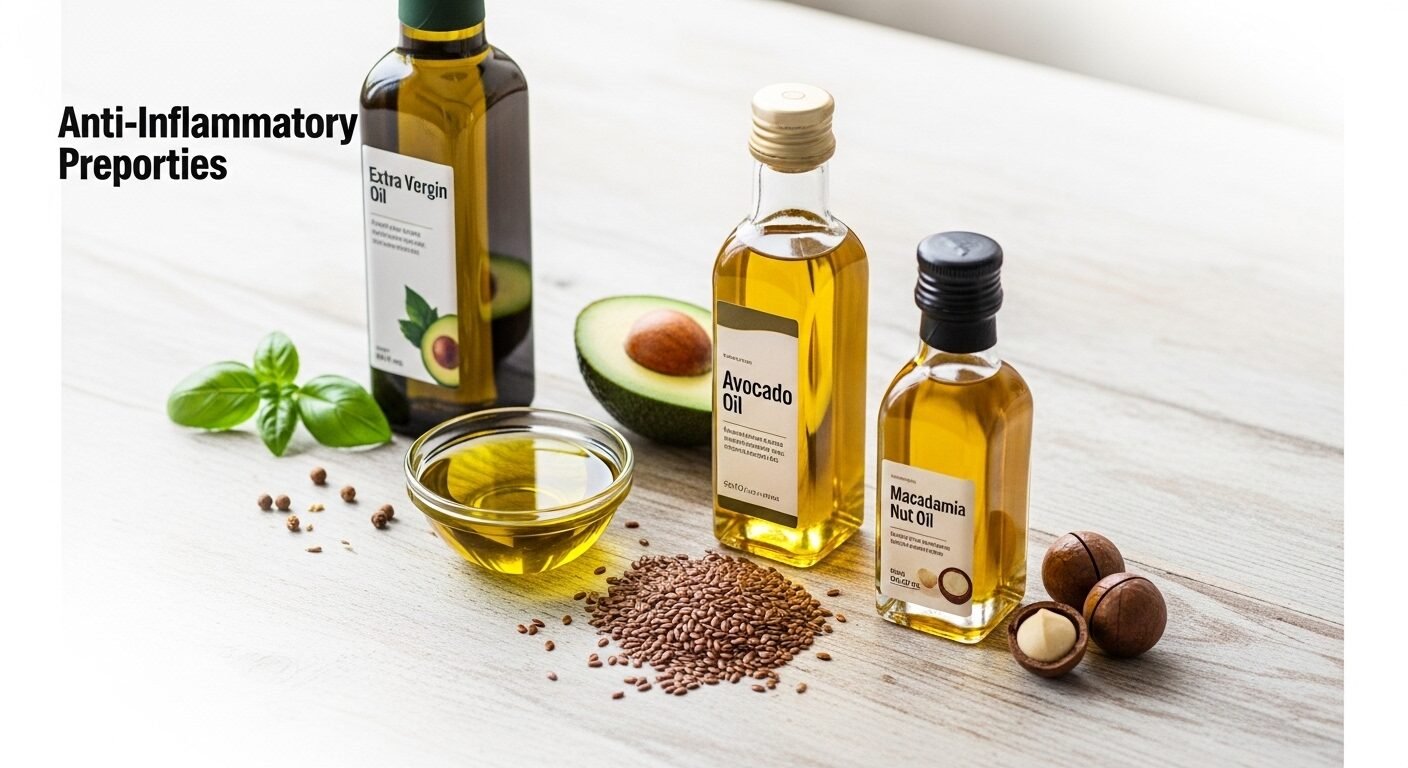
Several specific oils stand out for their anti-inflammatory properties. Extra virgin olive oil leads the list due to its robust evidence base. Research shows its polyphenols, like oleocanthal, have ibuprofen-like anti-inflammatory effects.
Avocado oil is another excellent choice, especially for high-heat cooking. It has a very high smoke point and is rich in monounsaturated fats. According to industry data, its popularity in health-conscious kitchens has surged over 300% in recent years.
Other beneficial oils include expeller-pressed coconut oil, which contains medium-chain triglycerides, and walnut oil, which is a good plant-based source of omega-3 alpha-linolenic acid (ALA). For finishing dishes, unrefined flaxseed oil provides a potent dose of ALA but should never be heated.
How to Switch to Anti-Inflammatory Oils: A Simple 3-Step Process
- Audit Your Pantry: Remove oils high in refined omega-6 fats, such as generic vegetable, soybean, corn, and sunflower oils (unless high-oleic). Check labels for “hydrogenated” or “partially hydrogenated” fats and discard them.
- Stock Your Staples: Purchase high-quality extra virgin olive oil for dressings and low-heat cooking. Buy avocado oil or refined coconut oil for searing, frying, and roasting. Add a bottle of walnut or flaxseed oil for cold use.
- Learn Smoke Points: Match your oil to your cooking method. Use high-smoke-point oils like avocado (over 500°F) for frying. Use medium-smoke-point oils like virgin coconut oil (350°F) for baking and sautu00e9ing. Never heat delicate flaxseed oil.
How to Choose and Use Anti-Inflammatory Oils
Selecting the right oil involves more than just the type. You must consider processing, storage, and cooking application. Always opt for cold-pressed or expeller-pressed versions when available, as they retain more nutrients. These methods avoid high heat and chemical solvents.
Smoke point is critical. Heating an oil past its smoke point degrades its quality, creates harmful compounds, and destroys its anti-inflammatory benefits. For high-heat methods like stir-frying, avocado, almond, or high-oleic sunflower oil are best.
Storage matters too. Keep oils in dark, glass bottles away from heat and light to prevent rancidity. Omega-3 rich oils like flaxseed are especially perishable and should be refrigerated. Using fresh oil ensures you get the full health benefits.
| Oil | Primary Fat Type | Best For | Smoke Point (Approx.) | Key Benefit |
|---|---|---|---|---|
| Extra Virgin Olive Oil | Monounsaturated | Salads, low-heat sautu00e9 | 325-375°F | Rich in polyphenols & antioxidants |
| Avocado Oil | Monounsaturated | Searing, frying, roasting | 520°F | Very high smoke point, neutral flavor |
| Expeller-Pressed Coconut Oil | Saturated (MCTs) | Baking, medium-heat cooking | 350°F | Provides quick energy, stable fat |
| Walnut Oil (Unrefined) | Polyunsaturated (Omega-3) | Drizzling, finishing | 320°F | Good plant-based omega-3 source |
| High-Oleic Sunflower Oil | Monounsaturated | All-purpose high-heat cooking | 450°F | Neutral taste, high stability |
What Oils Should You Avoid for Inflammation?
You should limit or avoid oils high in refined omega-6 fatty acids. These include common vegetable oils like soybean, corn, cottonseed, and generic “vegetable oil” blends. A high intake of these processed omega-6 fats can promote an inflammatory state in the body.
Partially hydrogenated oils, a source of artificial trans fats, are strongly pro-inflammatory and linked to heart disease. Although largely phased out, they can still appear in some processed foods and cheap cooking fats. Always read ingredient labels carefully.
Even healthy oils can become harmful if used incorrectly. Reusing oil multiple times for deep frying leads to oxidation and the formation of advanced glycation end products (AGEs), which are inflammatory. Experts recommend using fresh oil for each frying session.
How to Use These Oils in Keto and Anti-Inflammatory Recipes
Integrating these healthy fats into your diet is simple. For a standard ketogenic diet, fats should comprise about 70-80% of your daily calories. Using these anti-inflammatory oils helps you meet that goal healthily. The team at allrecipes.techevil.xyz creates recipes with these principles in mind.
Use avocado oil to sear keto-friendly proteins like chicken thighs or salmon. Drizzle extra virgin olive oil over roasted low-carb vegetables like cauliflower or zucchini. Add a spoonful of coconut oil to your morning keto coffee or smoothie for sustained energy.
For salad dressings, blend olive oil with walnut oil for an omega-3 boost. Remember, variety is key. Rotating different healthy oils ensures a broader range of nutrients and phytonutrients, maximizing the anti-inflammatory effect.
What is the single best oil for reducing inflammation?
Extra virgin olive oil (EVOO) is widely regarded as the top choice. 1 tablespoon of EVOO contains over 30 phenolic compounds that act as antioxidants. Its main polyphenol, oleocanthal, has been shown in studies to inhibit inflammatory enzymes in a way similar to ibuprofen, making it a dietary cornerstone for fighting inflammation.
Can I use olive oil for high-heat cooking?
Regular olive oil or “light” olive oil can be used for medium-heat cooking, but extra virgin olive oil has a lower smoke point and is best for temperatures below 375°F. For high-heat methods like deep-frying, avocado oil is a superior choice due to its stability at very high temperatures.
Is coconut oil inflammatory or anti-inflammatory?
The evidence is mixed, but most data suggests unrefined coconut oil is neutral to beneficial. Its medium-chain triglycerides (MCTs) are metabolized differently than other saturated fats and may support a healthy inflammatory response. However