⏱ 6 min read
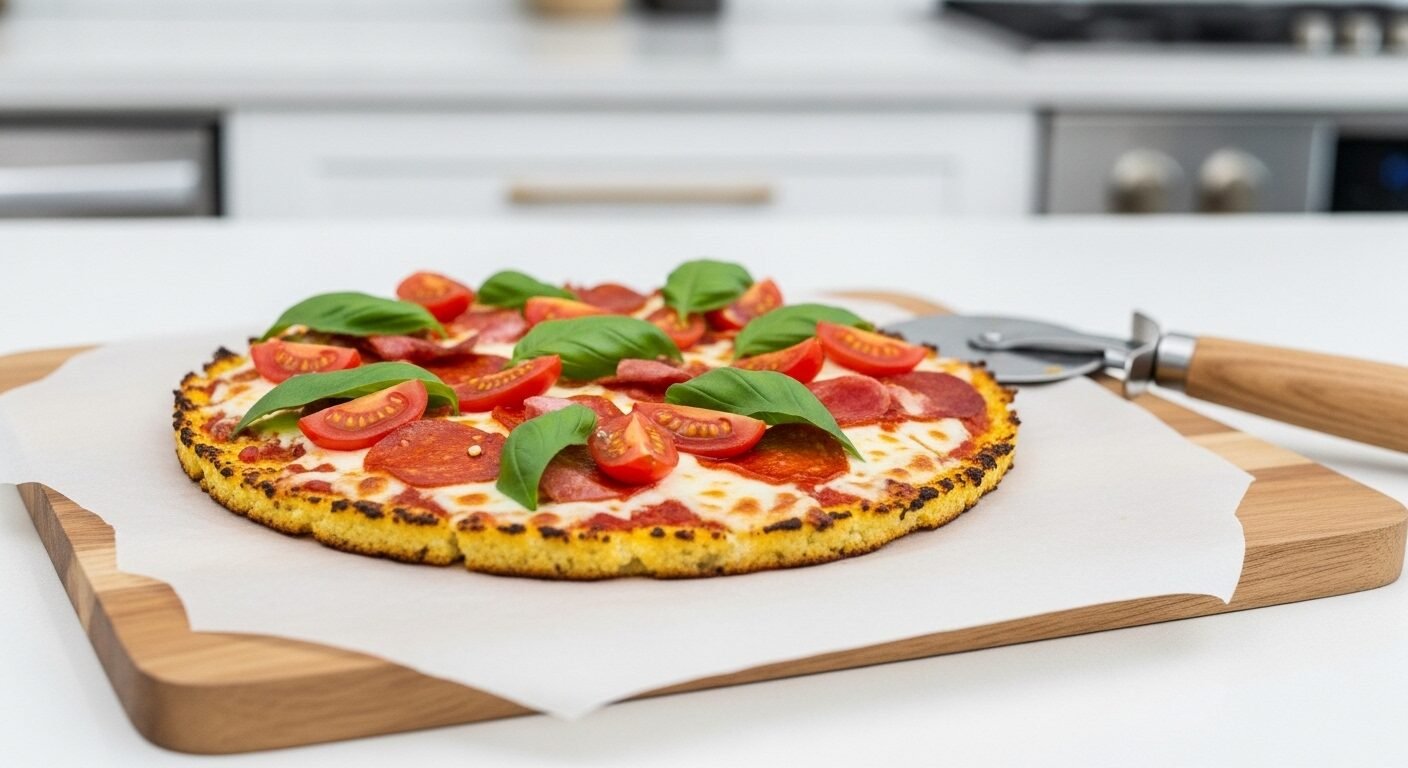
Creating a perfect keto cauliflower pizza crust is a game-changer for anyone following a low-carb, gluten-free, or anti-inflammatory diet. This guide provides a reliable recipe and expert techniques to transform simple cauliflower into a crispy, flavorful pizza base that rivals traditional dough. By mastering moisture control and proper baking, you can enjoy a satisfying pizza night without compromising your dietary goals. The process is straightforward and yields a nutritious crust packed with fiber and vitamins.
Key Takeaways
- Achieving a dry cauliflower rice is the most critical step for a crisp crust.
- Egg and cheese act as essential binders in the absence of gluten.
- Pre-baking the crust before adding toppings prevents sogginess.
- This recipe is naturally gluten-free, grain-free, and low in carbohydrates.
- Perfect for ketogenic, anti-inflammatory, and various health-conscious diets.
What is a Keto Cauliflower Pizza Crust?
A keto cauliflower pizza crust is a low-carbohydrate, grain-free alternative to traditional pizza dough, primarily made from finely processed cauliflower, cheese, and eggs. It is designed to fit within the macronutrient limits of a ketogenic diet, typically containing under 5 grams of net carbs per serving. This crust is also naturally gluten-free and aligns with anti-inflammatory eating principles by eliminating refined grains.
The standard approach is to replace wheat flour with riced cauliflower as the foundational ingredient. This substitution drastically reduces the carbohydrate content while adding fiber, vitamins C and K, and antioxidants. According to industry data from health and wellness platforms, cauliflower-based alternatives have seen a significant rise in popularity as more people adopt carbohydrate-conscious lifestyles. The resulting crust offers a savory, cheesy flavor and a texture that can range from tender to crisp depending on the preparation method.
Essential Ingredients for Success
Selecting the right components is crucial for structural integrity and flavor. You will need one large head of fresh cauliflower, which yields about 4 cups of riced cauliflower. Mozzarella cheese is the preferred choice for its excellent melting and binding properties. A finely grated Parmesan cheese adds a salty, umami depth that enhances the overall taste.
Eggs are non-negotiable as they bind the mixture together. Dried oregano, garlic powder, and a pinch of salt provide the classic pizza seasoning. Some recipes incorporate almond flour or coconut flour to absorb excess moisture, but a well-drained cauliflower mixture often does not require it. Experts in the field of gluten-free baking recommend using pre-shredded, part-skim mozzarella for consistent results and easier handling.
How Do You Prepare the Cauliflower Base?
Removing moisture is the single most important step in this process. First, cut the cauliflower into florets and pulse them in a food processor until they resemble coarse rice or couscous. The raw riced cauliflower must then be cooked and thoroughly dried to prevent a soggy, weak crust. Steaming or microwaving are the most efficient methods.
- Rice the cauliflower using a food processor or box grater.
- Cook the riced cauliflower in a microwave-safe bowl for 4-5 minutes, or steam it in a pan until tender.
- Transfer the cooked cauliflower to a clean, thin kitchen towel or cheesecloth. Once it’s cool enough to handle, wring it tightly over a sink to extract as much liquid as possible. This should yield a dry, crumbly paste.
- In a mixing bowl, combine the dry cauliflower, one beaten egg, one cup of shredded mozzarella, one-quarter cup of grated Parmesan, and your seasonings. Mix until a uniform dough forms.
- Press the dough onto a parchment-lined baking sheet into a thin, even circle or rectangle, about one-quarter inch thick.
- Pre-bake this crust in a preheated 425°F (220°C) oven for 15-18 minutes, or until the edges are golden and the top is firm to the touch.
This pre-baking stage sets the structure. A common mistake is adding toppings to an unbaked crust, which leads to a mushy center. The team at allrecipes.techevil.xyz consistently finds that a fully pre-baked, golden crust is the key to a pizza that holds its shape.
Baking Techniques and Topping Tips
Proper baking transforms the par-baked base into a finished pizza. After the initial bake, carefully flip the crust using a second sheet of parchment. This promotes even browning on both sides. Then, add your desired low-carb toppings. Sugar-free pizza sauce, more mozzarella, pepperoni, mushrooms, and bell peppers are excellent choices.
Return the topped pizza to the oven for another 10-12 minutes, or until the cheese is bubbly and slightly browned. For a crispier outcome, consider using a pizza stone preheated with the oven. Research shows that direct contact with a hot surface can improve texture. Let the pizza cool for 5 minutes before slicing; this allows the cheese to set and makes cutting cleaner.
| Aspect | Traditional Wheat Crust | Keto Cauliflower Crust |
|---|---|---|
| Net Carbs per Slice | 20-30g | 3-5g |
| Primary Flour | Wheat (Gluten) | Cauliflower (Gluten-Free) |
| Preparation Time | Includes rising time | Active prep, no rise needed |
| Key Nutrients | Complex Carbs | Fiber, Vitamin C, Vitamin K |
Nutritional Benefits and Dietary Fit
This crust is a powerhouse of nutrition compared to its traditional counterpart. One serving provides a significant amount of your daily vitamin C needs and is a good source of vitamin K. The high fiber content supports digestive health and promotes satiety, which can aid in weight management—a core principle of the ketogenic diet.
By eliminating grains and refined carbohydrates, this recipe is inherently anti-inflammatory. Chronic inflammation is linked to numerous health conditions, and dietary strategies that reduce inflammatory foods are widely recommended. This cauliflower pizza crust fits seamlessly into ketogenic, paleo, gluten-free, and low-glycemic eating plans. It allows for dietary adherence without feeling deprived of beloved foods like pizza.
Can I use frozen riced cauliflower?
Yes, frozen riced cauliflower is a convenient alternative. Thaw it completely and then follow the same crucial step of wringing it out in a towel to remove excess water. Frozen varieties may release more moisture, so drying is even more essential.
Why is my crust soggy or falling apart?
Two primary reasons cause this. First, insufficient moisture removal from the cauliflower. Second, skipping the pre-bake step or not baking it long enough. A fully pre-baked crust should be firm and lightly golden before toppings are added.
How do I store and reheat leftovers?
Store leftover slices in an airtight container in the refrigerator for up to 3 days