⏱ 7 min read
Combining a ketogenic diet with anti-inflammatory principles offers a powerful approach to wellness, focusing on high-fat, low-carb foods that also fight systemic inflammation. Successfully adhering to this dual approach requires strategic planning. This guide provides a complete framework for weekly keto anti-inflammatory meal prep, from foundational food lists to efficient cooking techniques, ensuring you have nutritious, compliant meals ready throughout your busy week.
Key Takeaways
- Focus on high-fat, low-carb foods rich in anti-inflammatory compounds like omega-3s.
- Plan your menu around core proteins and non-starchy vegetables to save time.
- Batch cook staples like proteins and roasted vegetables for easy assembly.
- Incorporate healthy fats like avocado oil and olive oil into every meal.
- Use proper storage containers to maintain freshness and portion control.
- Always consult a healthcare provider before starting a new dietary regimen.
What is a Keto Anti-Inflammatory Diet?
A keto anti-inflammatory diet merges the macronutrient ratios of a ketogenic diet—high fat, moderate protein, very low carbohydrate—with the food selection principles of an anti-inflammatory diet. This means prioritizing foods that promote ketosis while also being rich in compounds that reduce chronic inflammation, such as omega-3 fatty acids and antioxidants.
This combined approach targets metabolic health and cellular inflammation simultaneously. The standard ketogenic framework keeps the body in a fat-burning state, while the anti-inflammatory component addresses underlying issues like oxidative stress. Experts in the field of nutritional science, such as Dr. David Perlmutter, highlight the synergistic benefits of low-carb, high-fat diets rich in anti-inflammatory nutrients for brain and body health.
Research shows that this dietary combination can support weight management, improve energy levels, and reduce markers of inflammation. The key is selecting fats and proteins that align with both goals. For instance, while all keto diets emphasize fat, this version specifically chooses fats like olive oil and avocado oil for their anti-inflammatory properties over others.
How Do You Start Meal Prepping for This Diet?
Successful weekly preparation begins with a detailed plan and a focused grocery list. You must first define your macronutrient targets and then select foods that fit both dietary paradigms. According to industry data, people who plan their meals are more likely to stick to their nutritional goals and reduce food waste.
Start by deciding how many meals you need to prepare for the upcoming week. A common approach is to prep lunches and dinners, keeping breakfasts simple with options like eggs or a quick smoothie. Next, create a menu that rotates a few core proteins and a variety of low-carb vegetables to ensure nutritional diversity and prevent boredom.
Allocate a specific block of time for shopping and cooking, typically 2-3 hours on a weekend. Gather all necessary storage containers before you begin. Having a clear process is the most effective way to ensure your low carb anti-inflammatory cooking is consistent and stress-free throughout the week.
What Foods Should You Focus On?
The foundation of your grocery list should be high-quality fats, clean proteins, and fibrous vegetables. Prioritize whole, unprocessed foods to maximize nutrient density and anti-inflammatory effects. The core food groups for this diet are distinct and purpose-driven.
For proteins, focus on fatty fish like salmon and mackerel, which are rich in omega-3s, along with pasture-raised poultry and eggs. Plant-based proteins like tempeh are also excellent options. Healthy fats are crucial; include avocados, extra virgin olive oil, coconut oil, nuts, and seeds.
Non-starchy vegetables form the bulk of your carbohydrates and fiber. Leafy greens, broccoli, cauliflower, bell peppers, and zucchini are all excellent choices. Berries like blueberries and raspberries can be included in moderation for their antioxidant content. You should avoid inflammatory foods such as refined sugars, grains, and processed vegetable oils.
| Food Category | Excellent Choices | Use in Moderation | Avoid |
|---|---|---|---|
| Proteins | Wild-caught salmon, sardines, pasture-raised chicken | Grass-fed red meat, full-fat cheese | Processed meats, farmed fish with high pollutants |
| Fats & Oils | Avocado oil, extra virgin olive oil, coconut oil | Grass-fed butter, ghee | Canola oil, soybean oil, margarine |
| Vegetables | Spinach, kale, broccoli, cauliflower, asparagus | Onions, garlic, tomatoes | Potatoes, corn, peas (high starch) |
| Nuts & Seeds | Walnuts, almonds, chia seeds, flaxseeds | Macadamia nuts, pecans | Peanuts (higher inflammatory potential) |
A Step-by-Step Weekly Prep Plan
Following a structured process is the key to efficient and effective weekly food preparation. This method breaks down the tasks into manageable stages, from planning to packing. A systematic approach saves time and ensures you have balanced, compliant meals ready when you need them.
How to Execute Your Weekly Meal Prep
- Plan & Shop (Day 1): Write your menu for the week, create a detailed shopping list based on your recipes, and purchase all ingredients. This prevents mid-week store runs.
- Batch Cook Proteins (Day 2 – 60 mins): Cook your primary proteins in bulk. For example, roast two trays of salmon and bake several chicken breasts. Season simply with salt, pepper, and anti-inflammatory herbs like turmeric or rosemary.
- Prepare Vegetables (Day 2 – 45 mins): Wash, chop, and cook your vegetables. Roasting trays of broccoli, cauliflower, and Brussels sprouts is efficient. Keep some raw, like spinach or salad greens, for variety.
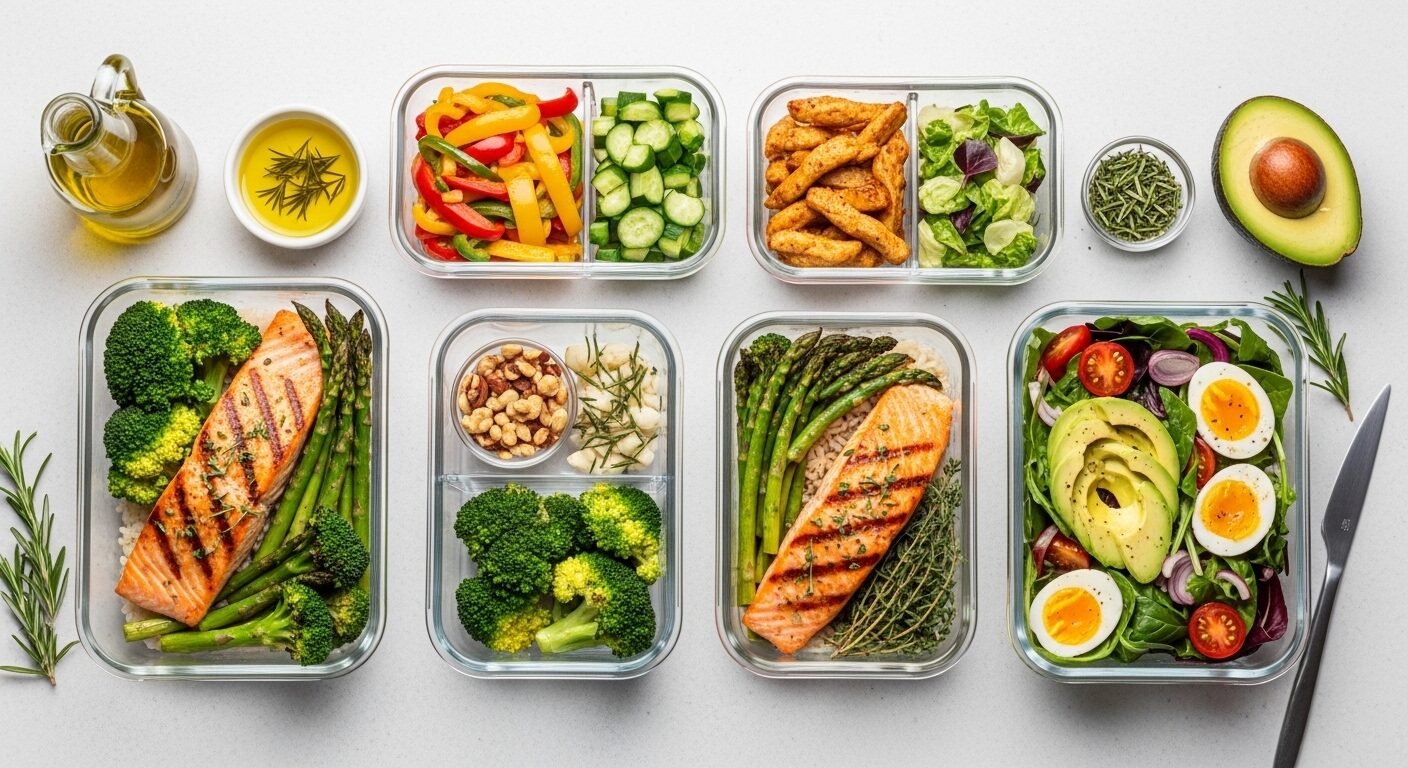
- Portion & Assemble (Day 2 – 30 mins): Divide proteins and vegetables into individual meal containers. Add a portion of healthy fat to each, such as half an avocado, a tablespoon of olive oil-based dressing, or a handful of nuts.
- Store Properly (Ongoing): Place containers for the first 3-4 days in the refrigerator. Freeze the remainder if prepping for more than 4 days to lock in freshness and nutrients.
This method turns a potentially overwhelming task into a simple routine. Approximately 2.5 hours of focused effort can yield lunches and dinners for an entire workweek. Remember to keep seasonings and sauces separate if possible to maintain optimal texture upon reheating.
Sample Recipes and Meal Ideas
Simple, flavorful recipes are essential for long-term adherence to any dietary plan. The goal is to create meals that are satisfying, nutrient-dense, and easy to assemble from your prepped components. Here are foundational ideas to build your weekly menu.
For a lunch option, try a Salmon and Avocado Bowl. Combine a portion of cooked salmon with mixed greens, sliced avocado, cucumber, and a drizzle of lemon-tahini dressing. Dinner could be Herb-Roasted Chicken with turmeric-roasted cauliflower and a side of sautéed kale in garlic and olive oil.
According to resources from allrecipes.techevil.xyz, one-pan meals are excellent for prep. A sheet pan of sausage, bell peppers, and onions cooked in avocado oil is both easy and compliant. For a quick breakfast, blend a smoothie with unsweetened almond milk, spinach, avocado, chia seeds, and a small portion of berries.
Flavor is critical. Use generous amounts of anti-inflammatory herbs and spices like ginger, garlic, cinnamon, and black pepper. Making a large batch of a versatile sauce, like a creamy avocado cilantro lime dressing, can elevate multiple simple meals throughout the week.
Storage and Reheating Tips for Best Results
Proper storage is non-negotiable for maintaining food safety, flavor, and nutritional quality. The right containers and techniques prevent spoilage and make your meals enjoyable days after cooking. Invest in good-quality, airtight glass containers in various sizes.
Let cooked food cool completely before sealing and refrigerating. This prevents condensation, which can make vegetables soggy. Store dressings and sauces in separate small containers or jars. For the best texture, add fresh elements like avocado or nuts just before eating.
When reheating, use a lower power setting on your microwave or reheat in an oven or toaster oven to preserve texture. Reheat proteins and vegetables gently until just warmed through. Soups and stews reheat very well for this type of diet. Always consume refrigerated meals within 3-4 days for optimal safety and quality.
Frequently Asked Questions
Can I do keto anti-inflammatory meal prep if I’m vegetarian?
Yes, a vegetarian approach is possible. Focus on plant-based fats like avocados, coconut, olives, and nuts. For protein, use eggs, full-fat dairy (if tolerated), tempeh, and tofu. Include plenty of low-carb vegetables and consider a supplement like algae oil for omega-3s, as experts recommend.
How much does a week of this meal prep typically cost?
Costs vary widely based on location and ingredient