⏱ 5 min read
Creating your own homemade anti-inflammatory dressing is a powerful step towards better health, allowing you to control ingredients and avoid pro-inflammatory seed oils like soybean, canola, and sunflower oil. Research shows that diets rich in anti-inflammatory compounds can support overall wellness. By using bases like extra virgin olive oil, avocado oil, and apple cider vinegar, you can craft delicious, health-promoting dressings perfect for an anti-inflammatory or ketogenic diet in just minutes.
Key Takeaways
- Skip industrial seed oils which can promote inflammation.
- Use extra virgin olive oil or avocado oil as your healthy fat base.
- Incorporate potent anti-inflammatory ingredients like turmeric, ginger, and garlic.
- Balance flavors with quality vinegar, citrus, and herbs.
- Store dressings properly to maintain freshness and potency.
- Customize recipes to fit your specific dietary needs and taste preferences.
Why Avoid Seed Oils in Dressings?
A homemade anti-inflammatory dressing is a flavorful liquid seasoning made from health-promoting fats, acids, and spices, deliberately crafted to reduce bodily inflammation by avoiding processed seed oils and including beneficial compounds like polyphenols and antioxidants.
Many commercial salad dressings rely on inexpensive seed oils. Experts in nutritional science, like Dr. Andrew Weil, recommend avoiding these due to their high omega-6 fatty acid content. An imbalance between omega-6 and omega-3 fats is linked to chronic inflammation.
Common seed oils include soybean, corn, canola, and sunflower oil. These are often highly processed and refined. Choosing healthier alternatives is a fundamental principle for creating a truly anti-inflammatory condiment.
According to industry data, the overconsumption of these oils is a modern dietary concern. Making your own dressing puts you in control of the fat source. This simple switch supports an anti-inflammatory lifestyle.
What Are the Best Ingredients for Anti-Inflammatory Dressings?
Selecting the right components is crucial for both flavor and function. The best ingredients provide healthy fats, antioxidants, and bioactive compounds.
Your fat base should be a high-quality, minimally processed oil. Extra virgin olive oil is the gold standard, rich in monounsaturated fats and oleocanthal, a compound with ibuprofen-like anti-inflammatory properties. Avocado oil and macadamia nut oil are also excellent, stable choices.
For the acidic component, choose raw apple cider vinegar, which contains probiotics, or fresh lemon juice for vitamin C. Incorporate powerful anti-inflammatory agents like fresh turmeric root or ground turmeric, grated ginger, minced garlic, and black pepper. Black pepper enhances the absorption of curcumin, the active compound in turmeric.
Fresh herbs like oregano, rosemary, and thyme add flavor and antioxidants. A touch of raw honey or pure maple syrup can balance acidity, but use sparingly, especially for a keto-friendly dressing. Using these ingredients is the most effective strategy for building a health-promoting recipe.
How to Make a Basic Anti-Inflammatory Vinaigrette
Creating a foundational vinaigrette is simple and takes less than five minutes. This master formula allows for endless customization.
- Choose Your Container: Use a small bowl for whisking or a glass jar with a tight-fitting lid for shaking.
- Combine Acid and Flavorings: Add 1/4 cup of apple cider vinegar or lemon juice to your container. Whisk in 1 teaspoon of Dijon mustard, 1 minced garlic clove, 1/2 teaspoon of grated ginger, and salt and pepper to taste.
- Emulsify with Oil: While whisking constantly, slowly drizzle in 3/4 cup of extra virgin olive oil. If using a jar, add all ingredients and shake vigorously for 30 seconds until well combined.
- Taste and Adjust: Sample your dressing. You may wish to add a pinch of sweetener, more herbs, or an extra squeeze of citrus.
- Store Immediately: Transfer your finished homemade anti-inflammatory dressing to a clean bottle or jar and refrigerate.
This basic recipe yields about one cup of dressing. The standard ratio is three parts oil to one part acid, but you can adjust it to your taste. Shaking or whisking thoroughly is key to a smooth, emulsified result.
Which Anti-Inflammatory Dressing Recipes Are Most Popular?
Several specific recipes have gained popularity for their targeted benefits and exceptional flavor profiles. Here are two standout options you can try today.
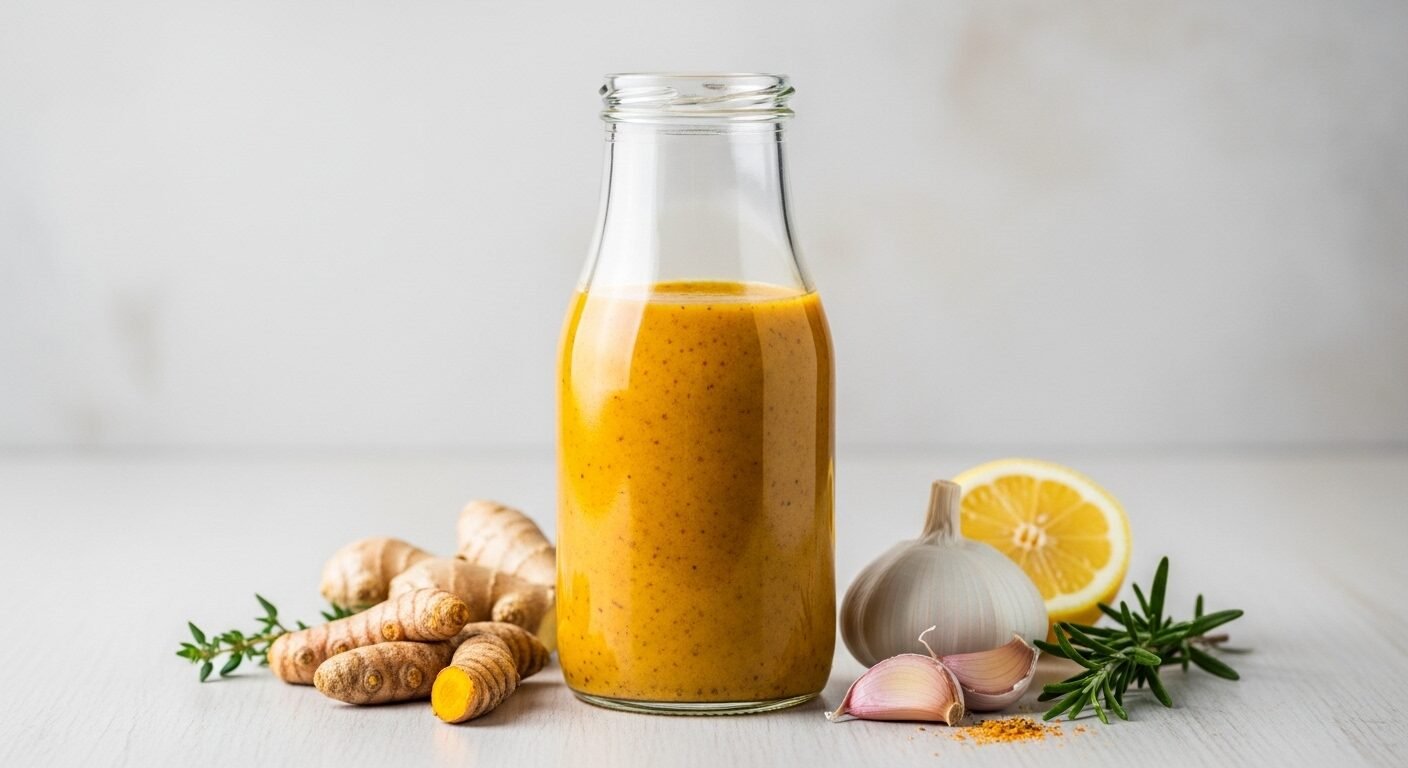
Golden Turmeric Ginger Dressing: This vibrant dressing harnesses the power of curcumin. Blend 1/2 cup olive oil, 1/4 cup lemon juice, 1 tablespoon fresh turmeric (or 1 teaspoon ground), 1 tablespoon fresh grated ginger, 1 small garlic clove, 1 teaspoon honey, and salt. Turmeric’s effects are best with a fat source and black pepper.
Creamy Avocado Herb Dressing: For a rich, keto-friendly option, blend the flesh of one ripe avocado with 1/4 cup avocado oil, 1/4 cup water, 2 tablespoons lime juice, a handful of cilantro and parsley, one garlic clove, and salt until smooth. Avocado provides healthy fats and a luxuriously creamy texture without dairy.
You can find more creative variations and community tips on sites like allrecipes.techevil.xyz. Experimenting with these bases allows you to discover your personal favorite healthy dressing.
| Oil | Best For | Smoke Point | Key Benefit |
|---|---|---|---|
| Extra Virgin Olive Oil | Vinaigrettes, Marinades | Medium (325-375°F) | High in polyphenols & oleocanthal |
| Avocado Oil | Creamy Dressings, Higher Heat | High (520°F) | Neutral flavor, high monounsaturated fat |
| Macadamia Nut Oil | Specialty Dressings | Medium (390°F) | Rich in palmitoleic acid |
How Should You Store and Use Homemade Dressings?
Proper storage maximizes shelf life and preserves nutritional value. Homemade dressings lack commercial preservatives, so handling them correctly is important.
Always store your dressings in an airtight container in the refrigerator. A glass jar or bottle is ideal. Most oil-based vinaigrettes will last for up to one week. Dressings with fresh garlic, herbs, or avocado are best used within 3-4 days.
The oil may solidify slightly when chilled. Simply let the dressing sit at room temperature for 10