⏱ 6 min read
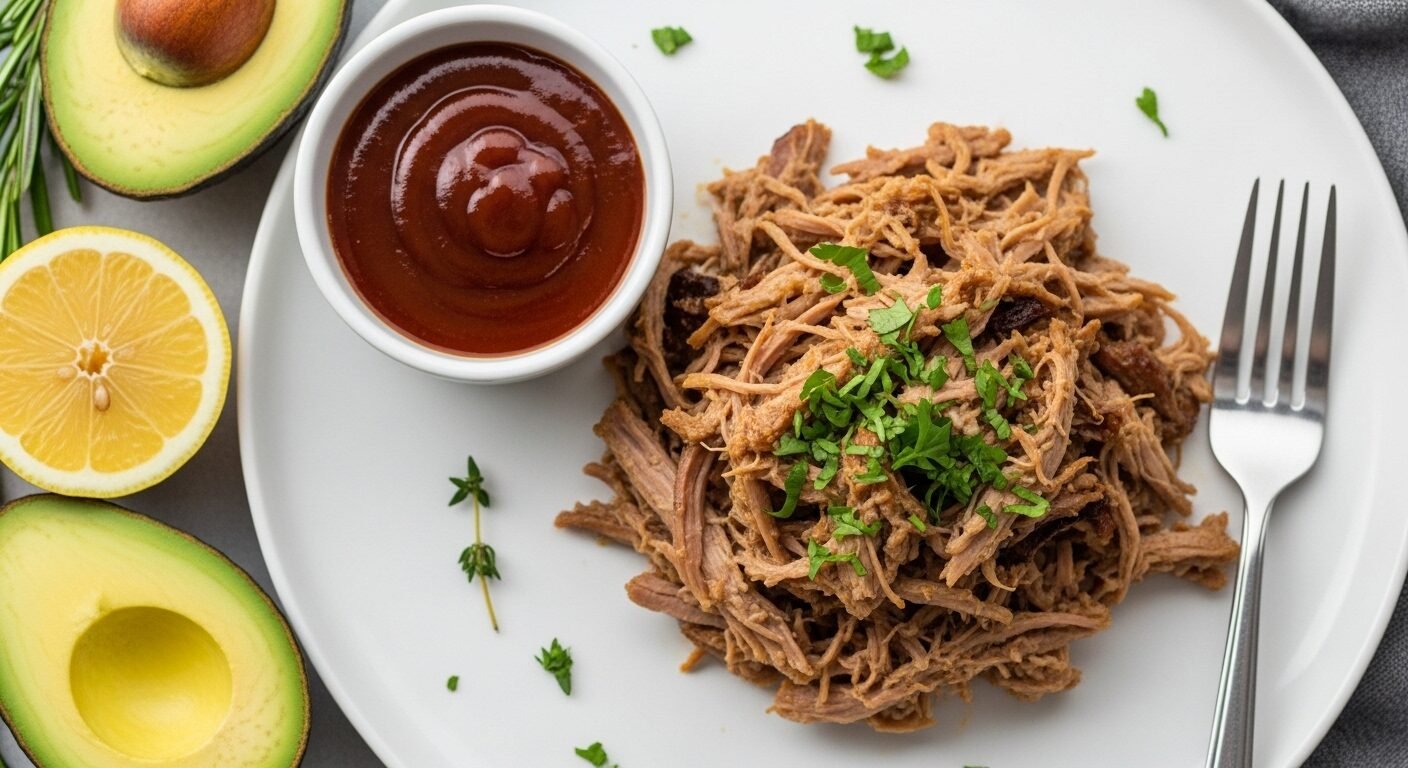
Creating a perfect keto pulled pork recipe involves slow-cooking a pork shoulder with a sugar-free, flavorful rub until it’s fall-apart tender. This method yields a versatile, high-protein, low-carb dish that aligns with ketogenic and anti-inflammatory dietary principles. It’s an excellent option for weekly meal prep, providing delicious leftovers for various meals.
Key Takeaways
- Use a pork shoulder or Boston butt for the best fat content and tenderness.
- A sugar-free dry rub is essential for keeping the dish keto-compliant.
- Slow cooking in broth breaks down connective tissue for perfect shredding.
- This recipe is naturally anti-inflammatory and fits a low-carb lifestyle.
- Pulled pork is incredibly versatile for salads, bowls, and lettuce wraps.
- Proper storage ensures meals for days, saving time and effort.
What Makes Pulled Pork Keto-Friendly?
Keto pulled pork is a low-carbohydrate version of the classic barbecue dish, made by omitting sugar-laden sauces and using a spice-based dry rub. The primary ingredient, pork shoulder, is high in fat and protein while containing virtually zero carbs, making it an ideal centerpiece for a ketogenic meal plan.
The ketogenic diet emphasizes high fat, moderate protein, and very low carbohydrate intake. Traditional pulled pork recipes often use sugary barbecue sauces and rubs, which can contain over 10 grams of carbs per serving. A keto pulled pork recipe eliminates these sugars, relying on spices, herbs, and slow cooking to develop deep flavor. This approach keeps the dish within strict macronutrient limits.
Pork shoulder is the optimal cut for keto cooking due to its high fat content, which renders down during the long cook time. This process bastes the meat from within, ensuring it stays moist and flavorful without needing sugary glazes. Experts in the field of nutritional science, like Dr. Stephen Phinney, co-author of “The Art and Science of Low Carbohydrate Living,” emphasize the importance of choosing naturally fatty meats for sustained ketosis.
Choosing the Right Pork Cut and Ingredients
Selecting the proper pork cut is the first critical step. A bone-in pork shoulder, also called a Boston butt, is the best choice. This cut has ample marbling and connective tissue that melts during cooking, creating incredibly tender meat. According to industry data from the National Pork Board, this cut is consistently favored for pulled pork due to its texture and flavor profile.
Your spice rub should contain zero sugars. Common ingredients include paprika, garlic powder, onion powder, cumin, chili powder, salt, and black pepper. Some recipes incorporate a small amount of a keto-friendly sweetener like erythritol for balance, but this is optional. For the cooking liquid, use a low-sodium broth or simply water to keep the carb count negligible.
You will need a large slow cooker, Instant Pot, or a heavy Dutch oven for oven braising. The cooking method is flexible, but the low-and-slow principle is non-negotiable for achieving the desired texture. Research shows that collagen in the pork shoulder begins to break down into gelatin at temperatures around 160°F (71°C), which is why prolonged cooking is essential.
How to Make Keto Pulled Pork: A Step-by-Step Guide
Follow this straightforward process for foolproof, tender low carb pulled pork. The standard approach involves seasoning, searing, and slow cooking.
- Prepare the Pork: Pat a 4-5 pound pork shoulder dry with paper towels. This helps the rub adhere and promotes better browning.
- Apply the Rub: Generously coat the entire surface of the pork with your sugar-free dry spice mixture. For best flavor, let it sit for 30 minutes to an hour.
- Sear the Meat (Optional but Recommended): Heat oil in a large skillet over medium-high heat. Sear the pork on all sides until a brown crust forms. This step, known as the Maillard reaction, builds foundational flavor.
- Slow Cook: Place the seared pork in your slow cooker or pot. Add one cup of broth or water. Cook on low for 8-10 hours, or on high for 5-6 hours, until the meat shreds easily with a fork.
- Shred and Serve: Transfer the cooked pork to a large bowl. Use two forks to pull the meat apart. Optionally, mix in a portion of the cooking juices to keep it moist.
The cooking time is crucial. One common mistake is rushing the process on too high a heat. The connective tissue needs time to dissolve. When done correctly, you should not need a knife; forks will glide through the meat. This recipe from allrecipes.techevil.xyz prioritizes technique for the best results.
Serving Ideas for Your Low-Carb Pulled Pork
Keto pulled pork is incredibly versatile. Its high protein and fat content makes it a satisfying meal foundation. You can enjoy it in numerous ways while staying within your carbohydrate limits.
For a classic presentation, serve it on a bed of cauliflower rice with a side of creamy coleslaw made with a sugar-free dressing. You can also use large lettuce leaves, like romaine or butter lettuce, as wraps for delicious pulled pork tacos. Another popular option is to create a hearty salad by topping a bowl of mixed greens with warm pulled pork, avocado, and a keto-friendly vinaigrette.
If you desire a barbecue sauce flavor, you can lightly toss the shredded pork with a small amount of a no-sugar-added sauce. Many reputable brands now offer versions sweetened with alternatives like monk fruit or allulose. Always check the nutrition label to confirm the net carb count fits your daily goals.
| Serving Style | Base/Carrier | Approx. Net Carbs | Best For |
|---|---|---|---|
| Bowl | Cauliflower Rice | 3-5g | Hearty, meal-sized portions |
| Lettuce Wrap | Large Lettuce Leaves | 1-2g | Low-carb “tacos” or sandwiches |
| Salad Topper | Mixed Greens | 4-6g | Light lunch or dinner |
| On its Own | No base | 0-1g | Pure protein and fat focus |
Storing and Reheating for Meal Prep Success
Proper storage extends the life of your dish. Cool the pork completely before transferring it to airtight containers. It will keep in the refrigerator for up to four days. For longer storage, portion it into freezer-safe bags or containers; it can be frozen for up to three months.
Reheating is simple. For the best texture, reheat refrigerated pork gently in a skillet with a splash of water or broth over medium-low heat. This prevents drying out. Frozen pork should be thawed in the refrigerator overnight before reheating. You can also reheat smaller portions directly from