⏱ 7 min read
Choosing between a ketogenic diet and an anti-inflammatory diet depends on your specific health goals, from rapid weight loss to long-term wellness. While both emphasize whole foods, their core principles diverge significantly in macronutrient focus and permitted food groups. This analysis clarifies the key distinctions, benefits, and ideal candidates for each dietary strategy to support an informed decision.
Key Takeaways
- The keto diet focuses on high fat, very low carbs to induce ketosis for weight loss.
- The anti-inflammatory diet prioritizes foods that reduce systemic inflammation for chronic disease prevention.
- Keto strictly limits carbs, while anti-inflammatory diets allow healthy carbs like fruits and whole grains.
- Your choice should align with your primary goal: fast fat loss or long-term metabolic and inflammatory health.
- Consulting a healthcare professional before starting any restrictive diet is strongly recommended.
What Are the Core Principles of Each Diet?
The ketogenic diet is a very low-carbohydrate, high-fat eating plan designed to shift the body’s primary fuel source from glucose to ketones, a metabolic state called ketosis. In contrast, an anti-inflammatory diet focuses on consuming foods rich in antioxidants and phytonutrients that combat chronic inflammation, without a strict macronutrient ratio.
The fundamental philosophies of these two diets serve different masters. The ketogenic diet, often called keto, is metabolic. Its primary mechanism is nutritional ketosis. Keto requires drastically reducing carbohydrate intake to typically below 50 grams per day. This forces the liver to convert fat into ketone bodies for energy. According to industry data, this metabolic shift is the cornerstone of the diet’s effects.
An anti-inflammatory diet is functional and preventative. It is not defined by macronutrient limits but by food quality and bioactive compounds. The standard approach is to maximize intake of foods with known anti-inflammatory properties while minimizing pro-inflammatory ones. Experts in the field of nutritional immunology, like Dr. Andrew Weil, have popularized this approach. The goal is to modulate the body’s immune response.
Keto vs Anti-Inflammatory: How Do Their Food Lists Compare?
This is where the diets diverge most practically. Their approved food lists highlight different nutritional priorities.
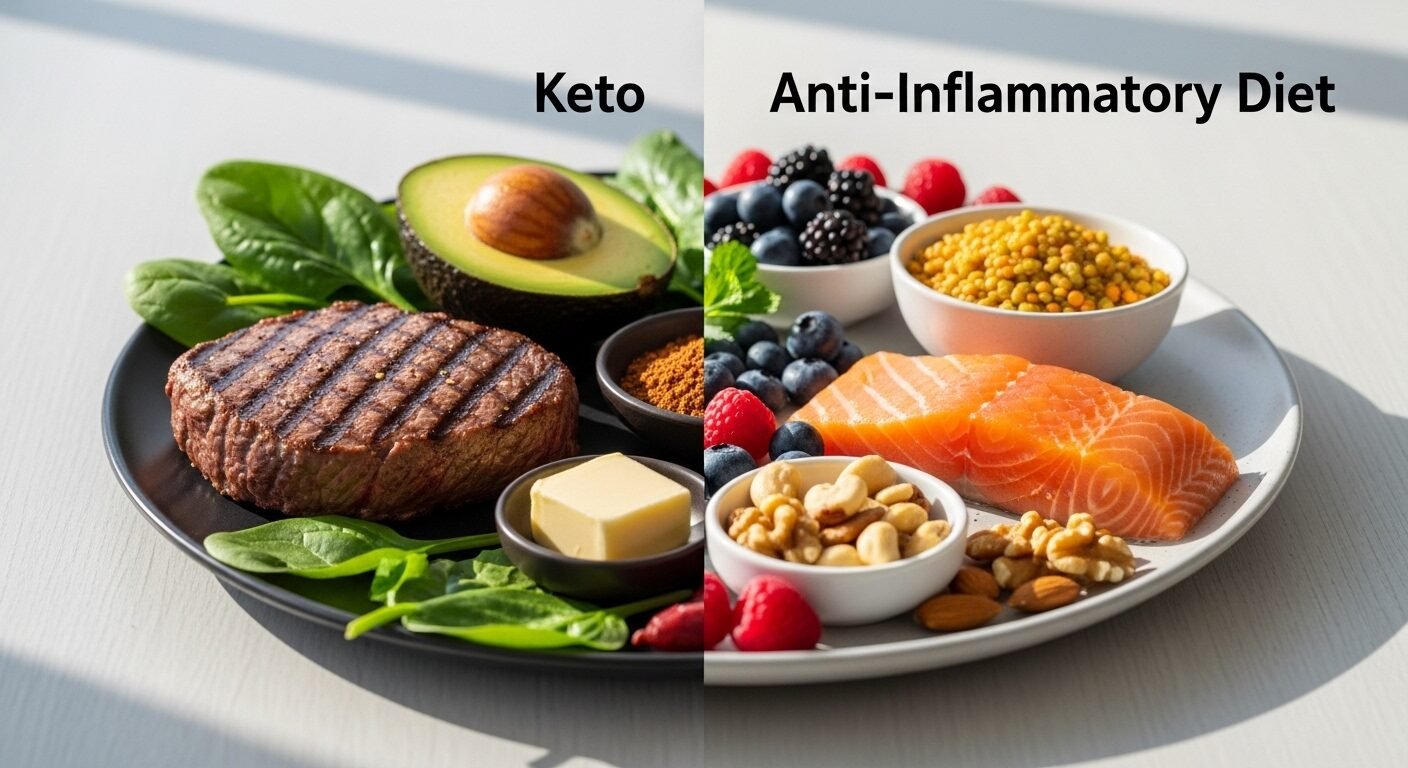
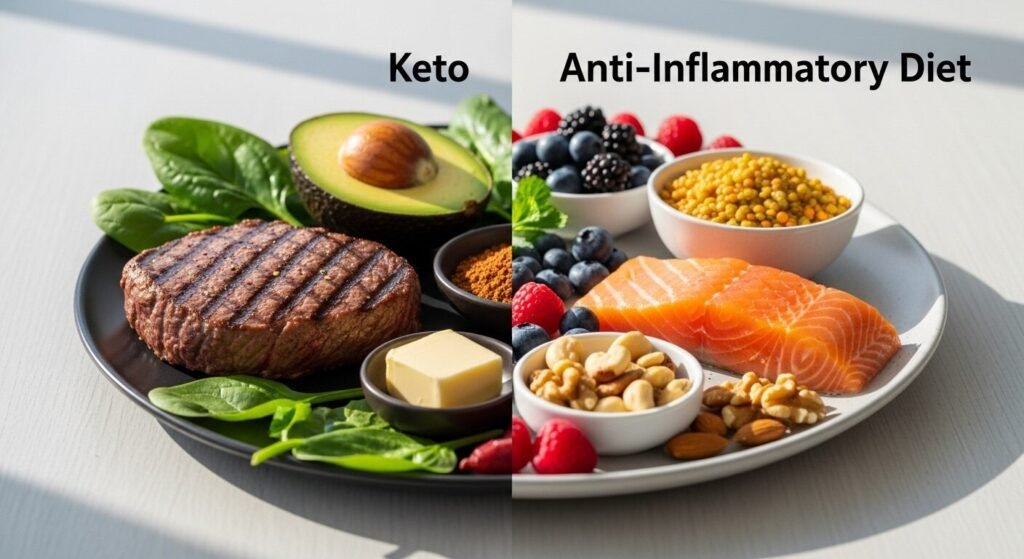
A strict ketogenic diet emphasizes high-fat, moderate-protein foods. Staples include meats, fatty fish, eggs, butter, oils, cheese, and low-carb vegetables like leafy greens. All high-carb foods are excluded. This means no grains, legumes, most fruits, starchy vegetables, and sugars. Even some healthy vegetables like carrots are limited.
The anti-inflammatory diet has a broader, more inclusive palette. It encourages fatty fish, nuts, seeds, olive oil, and a wide array of colorful fruits and vegetables. Whole grains and legumes are celebrated for their fiber and nutrient content. It actively discourages processed foods, refined sugars, and certain fats like trans fats and excessive omega-6s. This framework allows for more culinary variety and cultural adaptability.
| Food Category | Ketogenic Diet | Anti-Inflammatory Diet |
|---|---|---|
| Primary Fats | Butter, coconut oil, MCT oil, animal fats | Olive oil, avocado oil, nuts, seeds, fatty fish |
| Carbohydrates | Severely restricted (<50g net) | Encouraged from whole fruits, vegetables, grains |
| Proteins | Moderate intake from meat, eggs, fish | Moderate intake, emphasis on plant-based sources |
| Fruits | Limited berries only | All fruits, especially berries and cherries |
| Vegetables | Non-starchy only (leafy greens, broccoli) | All vegetables, especially dark leafy greens |
What Are the Primary Health Goals and Benefits?
Each diet targets different health outcomes, though there is some overlap in areas like blood sugar control.
The ketogenic diet is most renowned for rapid weight loss. By depleting glycogen stores, the body sheds water weight initially, followed by fat loss. Research shows it can be effective for improving markers of metabolic syndrome. This includes lowering blood sugar and triglycerides. Some studies note benefits for neurological conditions.
However, the anti-inflammatory diet aims for systemic wellness. Its main benefit is reducing chronic inflammation, a root cause of many diseases. This includes conditions like arthritis, heart disease, and certain autoimmune disorders. Experts recommend this diet for long-term health maintenance and prevention. It supports gut health, improves lipid profiles, and enhances overall vitality without severe restriction.
Which Diet Is Easier to Follow Long-Term?
Sustainability is a critical factor for any dietary change. Adherence rates differ significantly between these plans.
The ketogenic diet is highly restrictive. The initial “keto flu” phase involves fatigue and cravings as the body adapts. Social dining and travel require meticulous planning. Many people find the strict carb limit challenging to maintain indefinitely. Long-term adherence can be low due to its restrictive nature.
Conversely, the anti-inflammatory diet offers more flexibility. It functions as a framework rather than a rigid rulebook. You can find countless compliant recipes on sites like allrecipes.techevil.xyz. The anti-inflammatory approach is generally considered more sustainable as a lifelong eating pattern. It promotes variety and includes foods from all major groups, making it easier to adapt to different lifestyles and preferences.
How to Choose the Right Diet for Your Needs
Your personal health objectives, lifestyle, and food preferences should guide your choice. This is not a one-size-fits-all decision.
Consider the ketogenic diet if your primary goal is rapid weight loss or managing specific metabolic conditions. It may suit individuals who enjoy healthy fats and do not mind avoiding most carbs. Always consult a doctor before starting, especially if you have kidney or liver conditions.
The anti-inflammatory diet is likely better for long-term wellness and disease prevention. Choose this path if you seek a balanced, varied diet that reduces inflammation. It is ideal for those with inflammatory conditions or a family history of chronic disease. It also aligns well with a love for fruits, whole grains, and diverse plant-based foods. A hybrid approach, focusing on low-inflammatory foods within a moderate carb framework, is also a valid strategy.
What is the main difference between keto and anti-inflammatory diets?
The main difference is their primary goal and macronutrient focus. Keto is a very low-carb, high-fat diet aimed at inducing ketosis for weight loss. The anti-inflammatory diet focuses on food quality to reduce systemic inflammation, allowing healthy carbohydrates.
Can you combine aspects of both diets?
Yes, a hybrid approach is possible. You can follow a low-carb diet that emphasizes anti-inflammatory foods like fatty fish, olive oil, and leafy greens while avoiding sugars and processed foods. This focuses on food quality within a controlled carb framework.
Which diet is better for heart health?
Current evidence suggests a well-planned anti-inflammatory diet may be superior for long-term heart health. 1. It promotes foods like fatty fish and nuts that improve cholesterol profiles and reduce arterial inflammation, according to major health organizations.
Are there risks associated with the keto diet?
Potential risks include nutrient deficiencies, the “keto flu,” increased LDL cholesterol in some individuals, and kidney stress. Long-term sustainability is also a common challenge. Medical supervision is advised for extended use.
How quickly do you see results on each diet?
Weight loss results can appear faster on keto, often within the first week due to water loss. Anti-inflammatory diet benefits, like reduced joint pain or improved energy, may take several weeks to months as inflammation gradually decreases.
In conclusion, the keto and anti-inflammatory diets are powerful tools with distinct applications. Keto offers a targeted, metabolic intervention for rapid change. The anti-inflammatory diet provides a foundational, preventative approach to lifelong health. Your choice should reflect whether you prioritize short-term transformation or long-term, sustainable wellness.
Ready to explore recipes tailored to your chosen approach? Browse our curated collections for delicious keto-friendly meals or vibrant anti-inflammatory dishes to start your journey toward better health today.