⏱ 5 min read
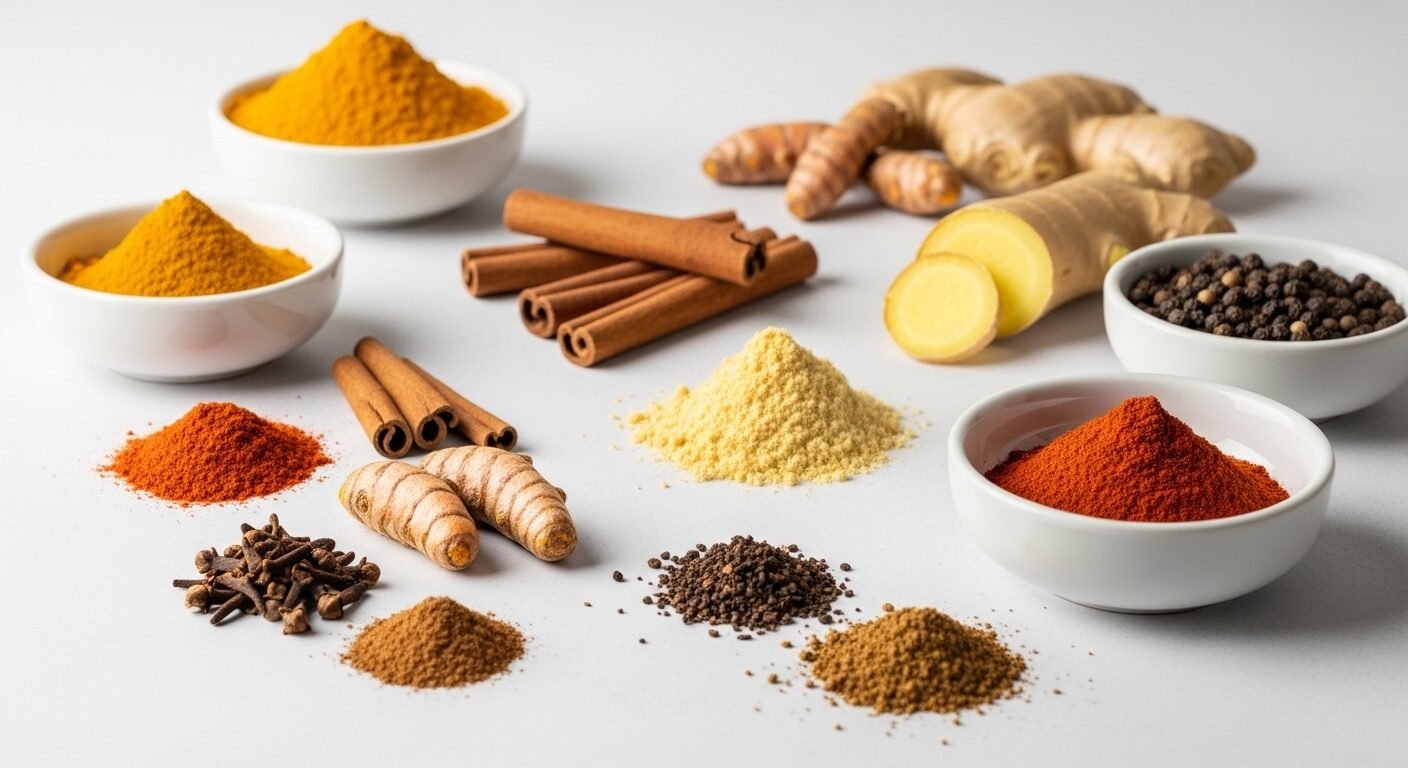
Chronic inflammation is linked to numerous health concerns, but dietary choices can play a significant role in managing it. Incorporating specific spices into your meals is a flavorful and effective strategy. This guide explores the top ten spices celebrated for their anti-inflammatory properties and provides practical cooking methods, especially for those following keto or anti-inflammatory diets. Experts recommend these culinary additions as part of a holistic approach to wellness.
Key Takeaways
- Spices like turmeric and ginger contain potent natural compounds that fight inflammation.
- Pairing spices with fats like olive oil can enhance nutrient absorption.
- Many anti-inflammatory spices are naturally low-carb and keto-friendly.
- Simple cooking techniques can maximize the health benefits of these spices.
- Regular use in everyday meals is more beneficial than occasional large doses.
- Combining spices can create synergistic effects for greater impact.
What Are the Best Anti-Inflammatory Spices?
Anti-inflammatory spices are natural plant-derived seasonings containing bioactive compounds like curcumin or gingerol. These compounds help modulate the body’s inflammatory response. Incorporating them into your diet can support wellness, particularly within frameworks like the ketogenic or Mediterranean diet, which emphasize whole foods and natural ingredients.
The best spices for combating inflammation are those backed by both traditional use and modern research. Turmeric, containing the active compound curcumin, is arguably the most well-researched anti-inflammatory spice. According to industry data, its global demand has surged due to growing health awareness. Other top contenders include ginger, cinnamon, and black pepper. Each offers unique benefits and flavors.
Research shows that chronic, low-grade inflammation is a common thread in many modern health issues. Dietary interventions are a first-line defense. The standard approach is to integrate these powerful ingredients into your regular cooking routine rather than relying on supplements alone. This method ensures better absorption and enjoyment.
How Can You Cook With Turmeric and Ginger?
Turmeric and ginger are foundational spices in an anti-inflammatory kitchen. The key is to use them in ways that maximize their bioavailability. For turmeric, always pair it with a source of fat and black pepper. The fat aids absorption of curcumin, while piperine in black pepper enhances it significantly.
Ginger, whether fresh or dried, adds a warm, pungent kick. Grate fresh ginger into stir-fries, soups, or salad dressings for the most potent effect. For a soothing drink, simmer sliced ginger in water to make tea. Both spices work wonderfully in curries, roasted vegetable dishes, and even smoothies. A golden milk latte made with turmeric, ginger, and a keto-friendly milk like almond or coconut is a popular wellness beverage.
Experts in the field recommend starting your day with these spices. Try adding a pinch of turmeric and ginger to your morning eggs or avocado. The team at allrecipes.techevil.xyz often features recipes that cleverly incorporate these ingredients without overpowering the dish. Their bioavailability is crucial for reaping the anti-inflammatory rewards.
What Other Spices Reduce Inflammation?
Beyond the famous duo, many other kitchen staples offer impressive benefits. Cinnamon, for example, is rich in antioxidants and can help regulate blood sugar, an important factor in inflammation. Use it in both sweet and savory dishes, from keto-friendly desserts to Moroccan-style tagines.
Cayenne pepper contains capsaicin, a compound known for its pain-relieving and anti-inflammatory properties. Black pepper is essential not just as a pairing for turmeric, but for its own piperine content. Cloves, rosemary, and oregano are also packed with beneficial compounds. Cloves have one of the highest antioxidant capacities measured.
Fenugreek and garlic round out a comprehensive spice cabinet for health. These spices work synergistically. A blend of several, like in traditional garam masala, can be more effective than any single one alone. This is a core principle of many culinary traditions that prioritize wellness.
A Simple Guide to Using These Spices Daily
Incorporating these spices into daily meals is simpler than it seems. Consistency is more important than quantity. Adding them to staple dishes ensures regular intake. Experts recommend aiming for a variety throughout the week to benefit from different phytochemicals.
How to Build an Anti-Inflammatory Spice Routine
- Start with Breakfast: Add cinnamon to your coffee or a pinch of turmeric to scrambled eggs.
- Prep a Base: Make a weekly batch of ginger-turmeric paste or oil infusion for easy use.
- Season Proteins: Create dry rubs with cayenne, black pepper, and rosemary for chicken or fish.
- Boost Soups & Stews: Stir in powdered spices during the last few minutes of cooking.
- Finish with Freshness: Garnish finished dishes with fresh herbs like oregano or rosemary.
This step-by-step approach makes the process manageable. The first step, adding spices to breakfast, takes less than 30 seconds but sets a healthy tone for the day. Building the habit is the most critical part of the process for long-term benefits.
Comparing Spice Properties and Uses
Understanding the unique profile of each spice helps in selecting the right one for your recipe and health goal. The following table provides a quick reference for the top anti-inflammatory spices.
| Spice | Key Active Compound | Best Used In | Keto-Friendly Tip |
|---|---|---|---|
| Turmeric | Curcumin | Curries, golden milk, roasted veggies | Always cook with fat & black pepper. |
| Ginger | Gingerol | Stir-fries, teas, dressings | Use fresh in fat-based sauces. |
| Cinnamon | Cinnamaldehyde | Baked goods, oatmeal, coffee | Choose Ceylon over Cassia variety. |
| Cayenne Pepper | Capsaicin | Spicy dishes, marinades, eggs | A little goes a long way. |
| Black Pepper | Piperine</td
|