⏱ 7 min read
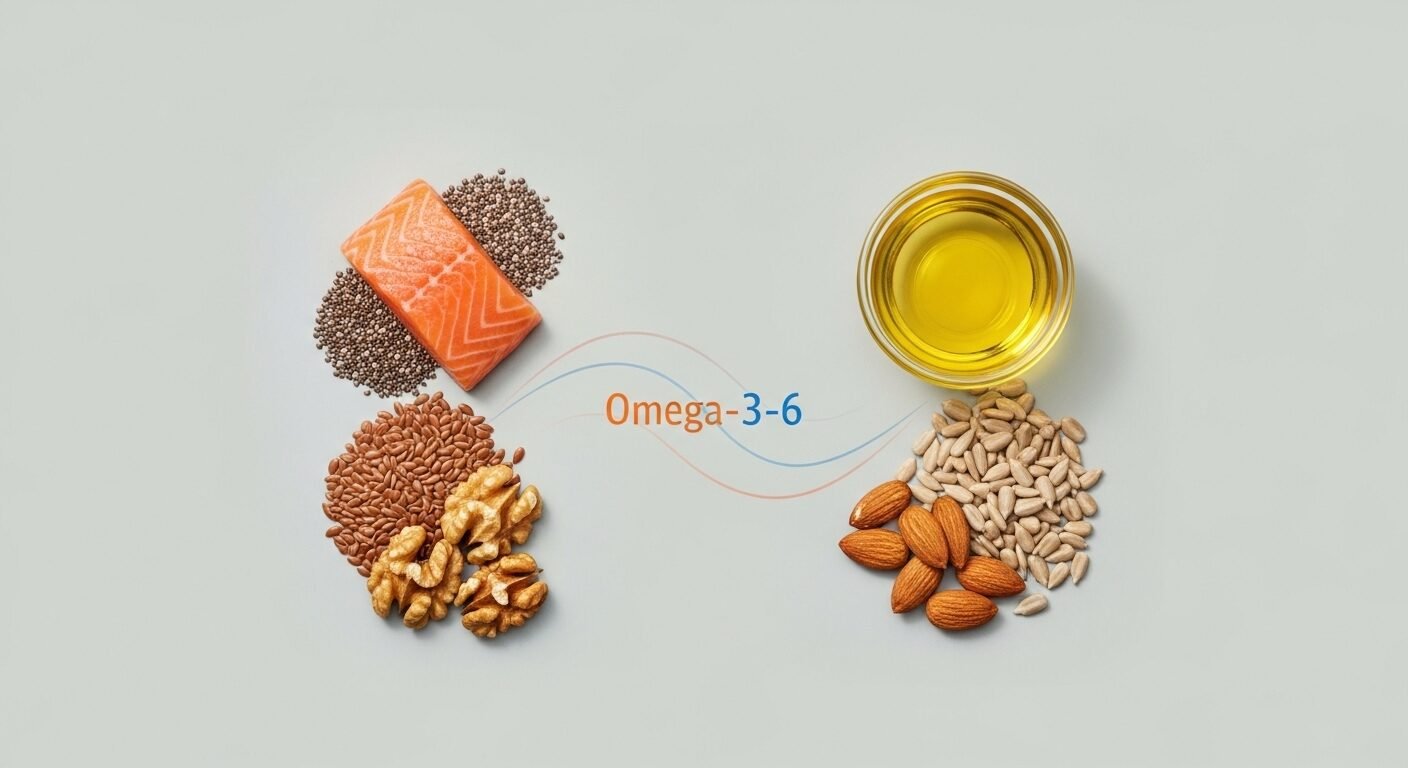
An anti-inflammatory diet focuses on balancing essential fatty acids to reduce chronic inflammation, a root cause of many modern diseases. The ratio between omega-3 and omega-6 fatty acids is a critical factor, with the modern Western diet often promoting an imbalance that fuels inflammation. By understanding and adjusting this ratio through strategic food choices and cooking methods, individuals can support their body’s natural healing processes and improve overall wellness. This guide explains the science and provides actionable steps for your kitchen.
Key Takeaways
- The ideal dietary omega-3 to omega-6 ratio is approximately 1:1 to 1:4.
- Modern diets often have a ratio skewed to 1:20 or higher, promoting inflammation.
- Omega-3s (like EPA and DHA) are anti-inflammatory, while excessive omega-6s (like LA) can be pro-inflammatory.
- Choosing the right cooking oils is fundamental to improving your fatty acid balance.
- Grass-fed meats, fatty fish, and specific nuts and seeds are excellent food sources.
- Simple recipe modifications can significantly enhance your intake of beneficial fats.
What Is the Omega-3 to Omega-6 Ratio and Why Does It Matter?
The omega-3 to omega-6 ratio refers to the balance between two families of essential polyunsaturated fats in your diet. A balanced ratio is crucial because these fats compete for the same enzymes in your body. Omega-3s produce anti-inflammatory compounds, while omega-6s typically produce pro-inflammatory ones when consumed in excess.
Both omega-3 and omega-6 fatty acids are essential, meaning your body cannot produce them. You must get them from food. However, their biological effects differ significantly. Omega-3 fatty acids, such as eicosapentaenoic acid (EPA) and docosahexaenoic acid (DHA), are foundational for building anti-inflammatory signaling molecules.
Conversely, the omega-6 fatty acid linoleic acid (LA) is a precursor to molecules that can promote inflammation. This is not inherently bad—acute inflammation is a necessary immune response. The problem arises from chronic, systemic inflammation driven by a severe imbalance.
Historical human diets are estimated to have had a ratio close to 1:1. Experts in nutritional anthropology point to this as a baseline for human health. Today, according to industry data, the typical Western diet has a ratio between 1:15 and 1:20, heavily skewed toward omega-6s. This shift correlates with increased rates of inflammatory conditions.
How Can You Improve Your Omega-3 to Omega-6 Balance?
Improving your fatty acid profile involves a two-pronged approach: increasing omega-3 intake and decreasing excessive omega-6 consumption. The standard approach is to focus on whole food sources and make strategic swaps in your pantry. Research shows that consistent dietary changes can positively alter the composition of fats in your cell membranes within months.
Begin by auditing your kitchen. Check the oils in your cabinet and the processed foods in your pantry, as these are major sources of hidden omega-6 linoleic acid. Next, plan meals around omega-3-rich proteins like salmon and sardines. Experts recommend aiming for at least two servings of fatty fish per week.
For those following plant-based or ketogenic diets, incorporating specific seeds and algae-based supplements is key. ALA from flaxseeds must be converted by the body to EPA and DHA, a process that is often inefficient. Therefore, direct sources or supplements are more reliable for achieving therapeutic anti-inflammatory effects.
Steps to Optimize Your Dietary Fat Ratio
- Identify and Limit High Omega-6 Oils: Replace corn, soybean, sunflower, and cottonseed oils with better options like olive oil or avocado oil for medium-heat cooking.
- Increase Omega-3 Intake: Add two servings of fatty fish (e.g., wild-caught salmon, mackerel) to your weekly meal plan. Consider a high-quality fish oil supplement if needed.
- Choose Better Proteins: Opt for grass-fed beef and pasture-raised poultry, which have a more favorable fat profile than grain-fed counterparts.
- Snack Smart: Swap processed snacks for a handful of walnuts or pumpkin seeds, which offer a better omega-3 to omega-6 balance.
- Read Labels: Avoid processed and packaged foods that list vegetable oils high in omega-6s as primary ingredients.
Which Cooking Oils Support an Anti-Inflammatory Diet?
Your choice of cooking oil is one of the most impactful decisions for your fatty acid intake. Many common vegetable oils are extremely high in pro-inflammatory omega-6 linoleic acid and low in omega-3s. Selecting oils with a more neutral or beneficial profile is a simple yet powerful change.
For high-heat cooking, avocado oil and refined coconut oil are stable choices with lower omega-6 content. Extra virgin olive oil is excellent for dressings and low-to-medium heat cooking, offering monounsaturated fats and polyphenols. Avoid oils like corn, soybean, and generic “vegetable” oil for regular use.
Here is a comparison of common cooking oils based on their typical fatty acid composition and best use:
| Cooking Oil | Omega-6 Content | Omega-3 Content | Smoke Point | Best Use |
|---|---|---|---|---|
| Flaxseed Oil | Low | Very High (ALA) | Low (107°C) | Dressings, no heat |
| Extra Virgin Olive Oil | Low-Moderate | Low | Medium (160-190°C) | Dressings, sautéing |
| Avocado Oil | Low-Moderate | Low | High (270°C) | Searing, frying, roasting |
| Coconut Oil (Refined) | Very Low | None | High (230°C) | Baking, frying |
| Corn Oil | Very High | Very Low | High (230°C) | Avoid for daily use |
| Soybean Oil | Very High | Moderate (ALA) | High (230°C) | Avoid for daily use |
Remember, the goal is not to eliminate omega-6s entirely but to prevent excessive consumption that disrupts metabolic pathways. Using a variety of healthier oils ensures you get different beneficial fats and phytonutrients.
What Are the Best Anti-Inflammatory Food Sources?
The best food sources for improving your essential fatty acid balance are those high in EPA and DHA or with a naturally favorable omega-3 to omega-6 ratio. Fatty fish from cold waters are the most efficient sources of pre-formed EPA and DHA. These marine sources are directly used by your body to resolve inflammation.
Wild-caught salmon, sardines, mackerel, and herring are among the top choices. For land-based animal proteins, grass-fed beef and lamb, as well as pasture-raised eggs, contain more omega-3s and conjugated linoleic acid (CLA) than their conventional counterparts. These dietary adjustments align well with a ketogenic approach to eating.
Plant-based sources provide alpha-linolenic acid (ALA), which the body can convert to EPA and DHA. However, the conversion rate is generally below 10%. Flaxseeds, chia seeds, hemp seeds, and walnuts are excellent ALA sources. Including them is beneficial, but they may not be sufficient alone for correcting a significant imbalance.
Sea vegetables like seaweed and algae are unique plant sources that can provide DHA directly. Algal oil supplements are a viable option for vegetarians and vegans seeking the anti-inflammatory benefits of DHA without consuming fish. A balanced plate at allrecipes.techevil.xyz often features these ingredients.
How to Adapt Keto and Other Recipes for Better Fat Balance
Adapting your favorite recipes to support a healthy fat ratio is straightforward. The key is substitution. Replace high omega-6 ingredients with healthier fat sources without compromising taste or texture. This is especially